

For years, brass hardware was a simple finishing touch. Now, it is an architectural statement that defines the character of modern furniture. This shift is less about shine and more about warmth, texture, and shape.
An Overview of 2026 Brass Hardware Trends
If you are looking for a quick summary of what is current, here are the key brass hardware trends shaping furniture design. These shifts focus on creating a look that feels both timeless and personal.
1. A Move Toward Tactile Finishes: The preference has moved away from high-shine polished brass. Instead, homeowners and designers are choosing finishes with more character. Brushed, satin, antique, and unlacquered brass offer a warmth and softness that feels more inviting. These finishes also age gracefully, adding to their appeal.
2. Sculptural and Substantial Shapes: Hardware is no longer just a functional afterthought. It is becoming a foundational design element. Long bar pulls that span the width of a drawer and clean, minimalist edge pulls are popular choices that make a quiet but confident statement. The focus is on quality you can see and feel.
3. Intentional Metal Mixing: The old rule of matching every metal finish in a room is gone. A more curated approach, often called the '70/30' rule, is taking its place. This involves using brass as the primary metal (about 70% of the finishes) and pairing it with a secondary accent like matte black or dark bronze for a cohesive, layered look.
Choosing the Right Brass Finish for Your Home
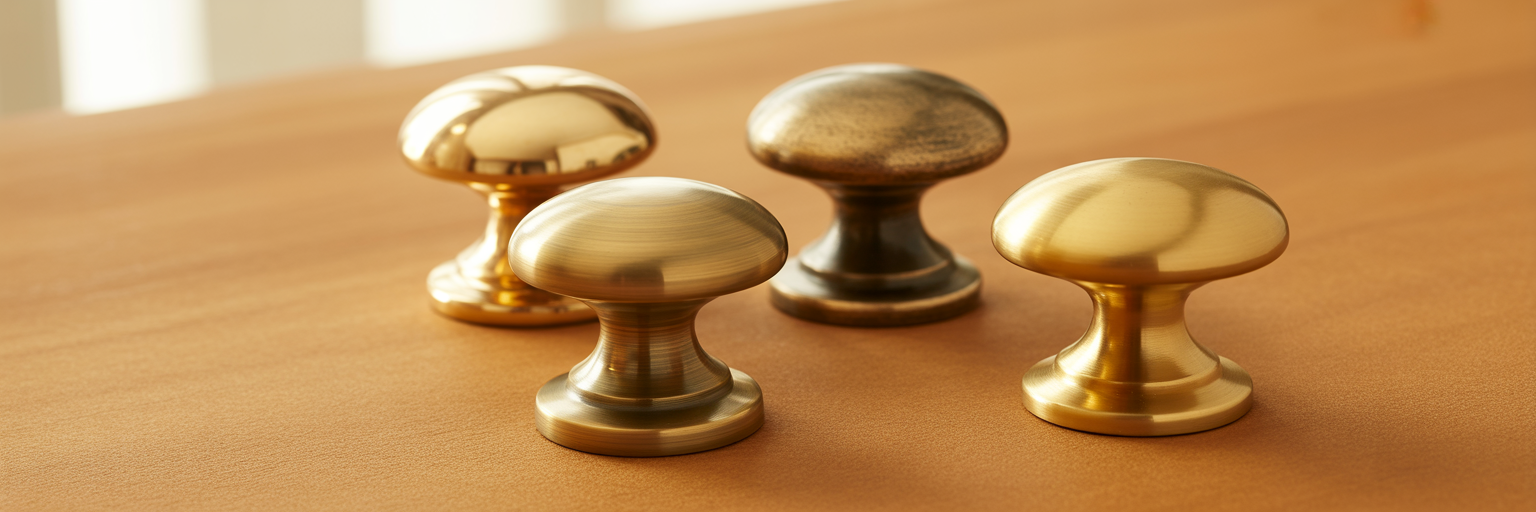
Understanding the differences between brass finishes is the first step to choosing the right hardware. Each one has a distinct personality and suits different styles and maintenance preferences. Seeing how a finish interacts with your home's lighting is essential, which is why ordering samples is always a good idea before you commit.
Brushed or Satin Brass: The Modern Standard
Brushed brass has a soft, matte appearance with very fine lines from the brushing process. It does not reflect light like polished brass, giving it a subtle and sophisticated look. This finish is incredibly versatile and works well in modern, minimalist, and contemporary spaces. Its biggest practical advantage is that it hides fingerprints and water spots, making it an excellent choice for busy areas like kitchens and bathrooms.
Antique Brass: For Character and Depth
Antique brass is chemically treated to create a deep, darkened finish that looks naturally aged. It has rich brown and golden undertones that bring a sense of history and character to furniture. This finish is perfect for traditional, vintage, or "Modern Heritage" styles where you want the hardware to feel like it has always been there. Our antique brass drawer handles show how this finish can add instant warmth to a piece.
Unlacquered Brass: The Living Finish
Unlacquered brass is raw, solid brass with no protective coating. This is what we call a "living finish" because it will naturally oxidize and darken over time when exposed to air and touch. It starts bright and shiny but will develop a unique patina, a soft, warm color that is prized for its authenticity. As noted by Better Homes & Gardens, unlacquered brass is a finish that will naturally develop a patina, a feature many designers seek out. Choosing unlacquered brass hardware means you appreciate an evolving, character-rich look. If you prefer to maintain its original shine, it will require occasional polishing.
| Finish | Appearance | Best For | Maintenance |
|---|---|---|---|
| Brushed/Satin Brass | Soft, matte look with fine lines | Modern, minimalist, and contemporary spaces | Low; hides fingerprints and water spots |
| Antique Brass | Darkened, aged look with golden undertones | Traditional, vintage, and 'Modern Heritage' styles | Low; designed to look aged already |
| Unlacquered Brass | Bright, shiny raw brass that darkens over time | Those who want an authentic, evolving patina | Requires polishing to maintain shine, or can be left to age |
From Functional to Foundational: New Hardware Shapes
The shape and scale of hardware now play a central role in furniture design. Instead of being an afterthought, pulls and knobs are being used to create rhythm and add architectural interest to cabinetry. The right shape can transform a simple piece of furniture into something special.
Proportional Pulls
The trend for long, linear pulls continues to grow, especially on wide drawers and tall pantry doors. These modern brass cabinet pulls create a clean, horizontal or vertical line that feels integrated with the furniture. A good rule of thumb for a balanced look is to choose a pull that is roughly one-third to one-half the width of the drawer. This proportion makes the hardware feel intentional and substantial.
Minimalist Edge Pulls
For a truly clean and unobtrusive look, edge pulls are an excellent choice. These are installed on the top or side edge of a cabinet door or drawer, with only a small lip visible to pull. They are popular in ultra-modern and minimalist kitchens where the goal is to have seamless, uninterrupted surfaces. They provide function without visually cluttering the cabinetry.
Sculptural and Organic Forms
There is a growing desire for hardware that feels as good as it looks. Weighty, sculptural shapes like T-bars, half-moons, and hardware with soft, organic curves are becoming more common. These pieces act like jewelry for your furniture, adding a unique, tactile element. Forms inspired by nature, like our solid brass lotus pulls, bring a touch of artistry and personality to cabinets and dressers.
How to Mix Brass with Other Metal Finishes
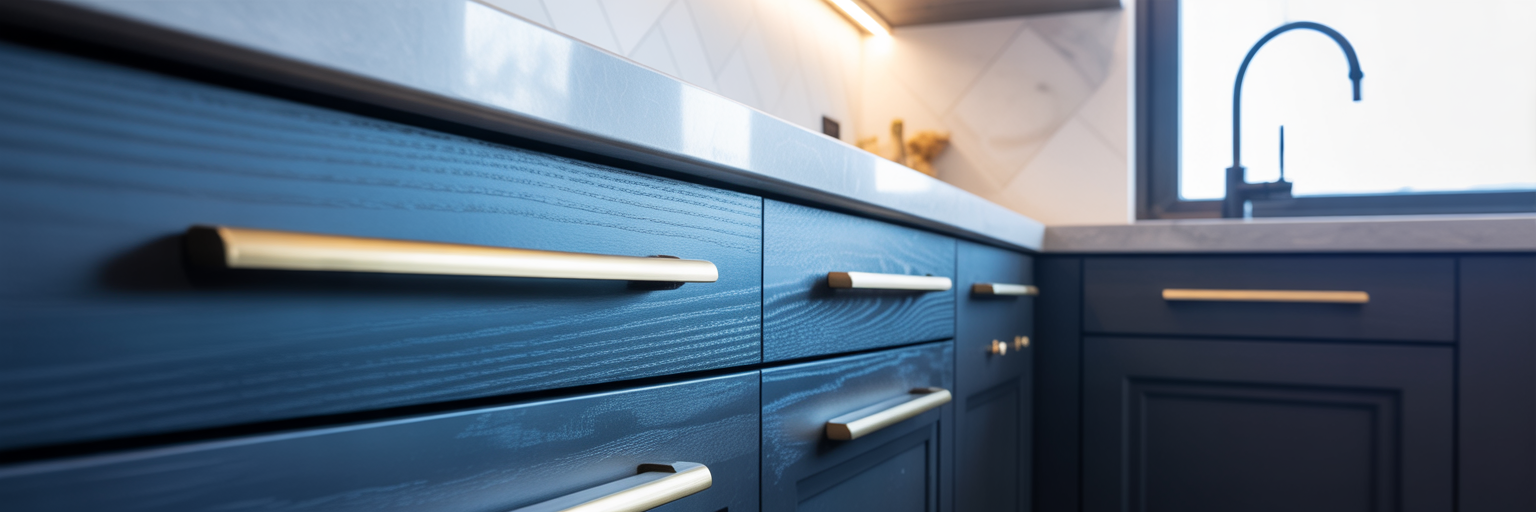
Mixing metals can feel intimidating, but a simple rule makes it easy to get right. Think of it as the 70/30 rule. Choose one dominant metal to make up about 70% of the finishes in a room, and then add a secondary accent metal for the remaining 30%.
This approach creates a look that feels curated and intentional, not accidental. For example, in a kitchen, you might use brass for all your cabinet hardware (the 70%) and then choose a matte black faucet and pendant lights as your accent (the 30%). The key is consistency. Using the same two or three finishes throughout the space makes the mix feel deliberate.
Warm brass pairs beautifully with cool contrasts like matte black, dark bronze, or even polished nickel. By sticking to a clear primary and secondary metal, you can confidently create a layered and sophisticated space. To see how different styles can work together, you can explore a wide variety of drawer pulls and knobs.
Common Mistakes to Avoid When Choosing Brass Hardware
Knowing how to choose brass hardware also means knowing what pitfalls to avoid. A little planning can prevent disappointment and ensure you love your final choice. Here are a few common mistakes to watch out for.
1. Ignoring Existing Tones: Pay attention to the undertones in your room. A very yellow-toned brass might clash with cherry wood cabinets that have strong red undertones. Try to match warm tones with other warm tones for a more harmonious look.
2. Not Ordering Samples: This is the most important step. A finish can look completely different online versus in your home. Lighting, wall color, and surrounding materials all affect how hardware appears. A sample allows you to check the color, weight, and feel in your actual space before placing a full order.
3. Forgetting About 'Living Finishes': If you choose unlacquered brass, remember that it is designed to change color. If you want a finish that will look the same in five years as it does today, you should select a lacquered or PVD-coated option like brushed or antique brass.
4. Creating a Disjointed Look: While mixing metals is in, using too many different hardware styles in one open-plan area can look chaotic. Try to stick to one or two complementary styles to maintain a cohesive feel, especially in a kitchen or large built-in unit.
Frequently Asked Questions About Brass Hardware
Here are answers to a few common questions we receive about choosing and using brass hardware.
Will brass hardware tarnish or leave marks on my hands?
Solid brass contains copper, which can naturally oxidize over time. However, quality brass alloys used in modern hardware minimize this. Unlacquered brass will patina, but it should not leave significant residue on your hands with normal use. Lacquered finishes are sealed and will not tarnish.
How do I clean brass hardware?
For lacquered finishes like brushed or antique brass, simply wipe them with a soft, damp cloth. Avoid harsh chemicals or abrasive cleaners. For unlacquered brass, you can let it patina naturally or use a designated brass polish to restore its shine.
Is brass durable enough for a kitchen?
Absolutely. Solid brass is a strong, durable material that is ideal for high-traffic areas like kitchens and bathrooms. It is much more resilient than cheaper plated hardware, which can chip or wear away over time.
Can I mix brass knobs and pulls on my cabinets?
Yes, mixing knobs and pulls is a very popular and stylish choice. A common approach is to use knobs on upper cabinet doors and pulls on lower doors and drawers. This creates visual interest while being practical. For example, you could pair simple brushed brass knobs with matching bar pulls, like these modern conical pulls and knobs that come in both styles.
Finding the Right Brass Hardware for Your Project
Choosing the right brass hardware comes down to a few key decisions. First, select a finish that complements your home's style and your preference for maintenance. Next, choose a shape and scale that feels proportional to your furniture. Finally, if you decide to mix metals, do so thoughtfully with a clear primary and accent finish.
Above all, our best advice is to always test samples at home. Seeing the hardware in your own space is the only way to be truly confident in your choice. Now that you know what to look for, you can explore collections of furniture hardware to find the perfect fit for your project.


