

The move toward clean lines and uninterrupted surfaces in home design has brought integrated hardware into focus. Recessed and flush pulls are central to this look, but what do these terms actually mean for your project? Understanding their unique installation requirements is the key to choosing them with confidence.
Key Things to Know Before Choosing Recessed Pulls
If you are in a hurry, here are the most important points to understand about recessed cabinet pulls. Unlike standard handles that simply screw onto the surface, these pulls require careful planning.
- They Require Cabinet Modification: Recessed and flush pulls must be set into the cabinet door or drawer front. This means a portion of the wood or panel material needs to be cut out, usually with a router.
- They Are Not a Simple Swap: You cannot directly replace a standard surface-mounted handle with a recessed pull without first creating the pocket for it to sit in.
- Cabinet Thickness is Critical: The most important measurement is your cabinet panel's thickness. It must be greater than the pull's required recess depth to ensure a secure fit without weakening the door.
- Grip is Different: The feel is more subtle than a standard handle. The space for your fingers is inside the pull itself, which is a key difference in daily use.
What Are Recessed and Flush Cabinet Pulls?
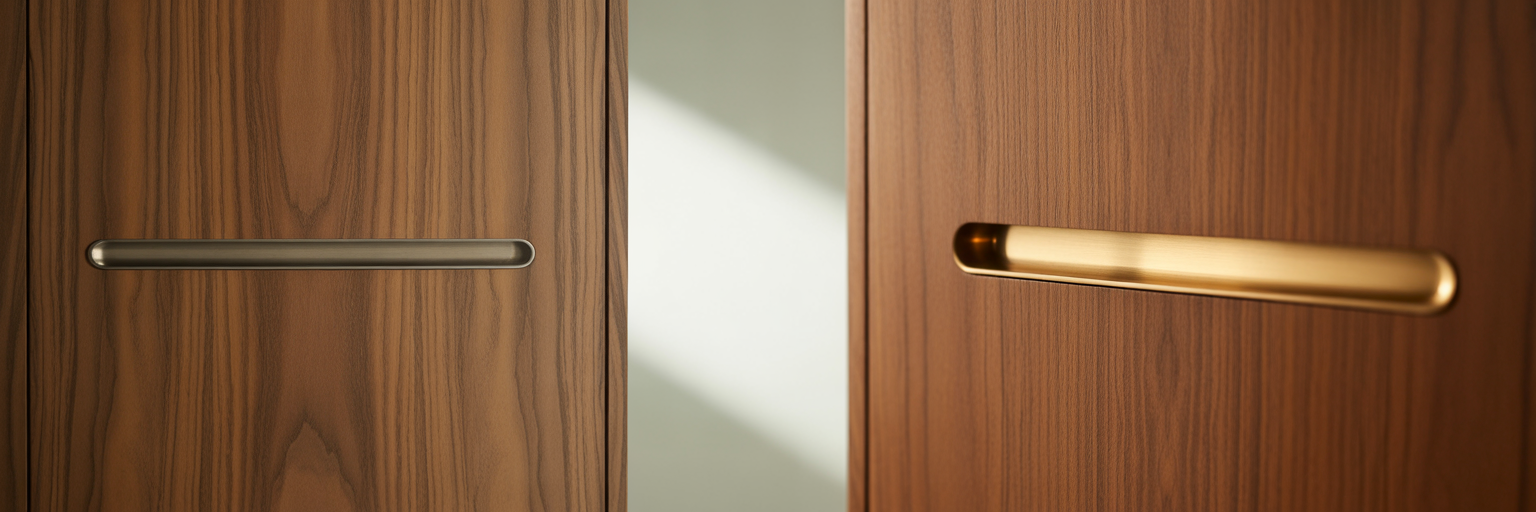
Think of a standard cabinet handle as a piece of art hung on a wall. A recessed pull, on the other hand, is like a picture set into a frame, sitting level with or just inside the surface. Both recessed cabinet pulls and flush cabinet pulls are installed into a pocket, or mortise, that has been cut into the face of a drawer or door. This creates a smooth, integrated appearance that is perfect for modern, minimalist kitchens and furniture.
The primary benefit is a clean, uninterrupted profile. Because nothing projects significantly from the surface, these pulls are excellent for high-traffic areas like narrow hallways or busy kitchens where clothing might snag on standard handles. They allow cabinetry to become a seamless architectural element.
The material you choose can soften or enhance this minimalist look. For example, a warm brass recessed pull can add a touch of texture and elegance to an otherwise simple, flat-panel door. The subtle gleam of metal set within the wood creates a sophisticated detail. Some designs, like a solid brass recessed tatami cabinet pull, use texture to add tactile interest without adding projection, blending function with refined detail.
What to Check Before Buying Flush Mount Pulls
Choosing flush mount cabinet pulls is about more than just style. It requires a few important checks to ensure they will work for your project and to avoid any installation surprises. This checklist covers the essential details to verify before you make a purchase.
Cabinet Preparation: The Routing Requirement
The most significant difference is the need for a recess. This pocket is typically created with a router, a power tool that requires a steady hand and precision. An incorrect cut can damage a cabinet door, so it is important to be comfortable with this process or to hire a professional carpenter for the installation.
Cabinet Thickness vs. Pull Depth
Before you fall in love with a style, measure the thickness of your cabinet doors and drawer fronts. Then, check the product specifications for the pull's "recess depth." Your cabinet panel must be thicker than this depth. For example, if a pull requires a 12mm recess, it will not work on a 10mm thick panel. This is the most common mistake and is easily avoided with a quick measurement.
Grip Comfort and Finger Clearance
The sleek look of recessed pulls for cabinets comes with a trade-off: the grip is shallower than a traditional handle. Consider who will be using the cabinets daily. For heavy drawers or for users who prefer a more substantial grip, a very shallow flush pull might feel less comfortable. We always recommend ordering a single sample to test how it feels in your hand.
Checking for Internal Obstructions
Finally, think about what is behind the spot where you plan to install the pull. Open the cabinet door or pull out the drawer. The back of the recessed pull will sit inside the panel, so you must ensure it will not collide with an internal shelf, a drawer box side, or a hinge mechanism when the door is closed.
| Checkpoint | What to Measure or Verify | Why It Matters |
|---|---|---|
| Cabinet Panel Thickness | Measure the thickness of your door or drawer front. | The panel must be thicker than the pull's recess depth to avoid weakening the wood or breaking through. |
| Pull Recess Depth | Check the 'recess depth' or 'mortise depth' on the product's specification sheet. | Ensures the pull will fit without compromising the cabinet's structural integrity. |
| Grip Clearance | Review the pull's internal dimensions or 'cup' size. Order a sample to test. | A shallow grip can be uncomfortable for heavy drawers or users with larger hands. |
| Internal Obstructions | Open the door/drawer and check what is behind the planned installation spot. | The back of the installed pull must not hit shelves, drawer boxes, or hinge mechanisms. |
How Recessed Pulls Are Installed
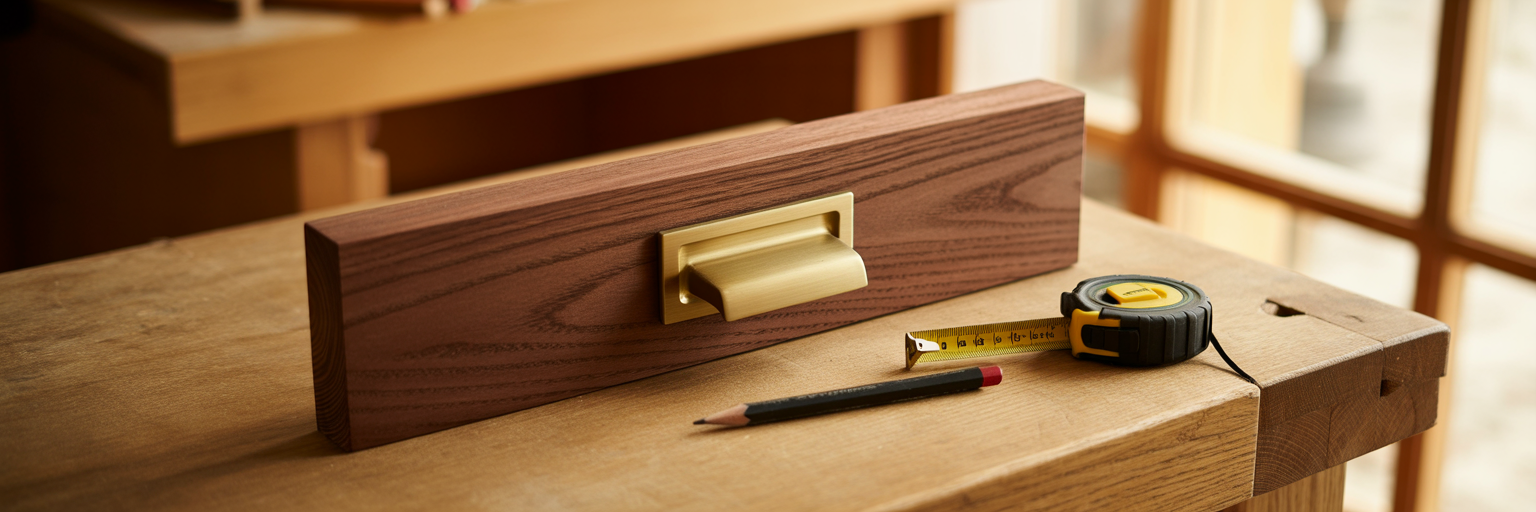
While the final look is simple, the installation of recessed pulls requires precision. It is not as straightforward as drilling two holes for a standard handle. Here are the general steps involved:
- Measure and Mark: Carefully measure and mark the exact location for the pull on the cabinet face. Accuracy here is essential for a professional result.
- Create the Recess: Using a router and a correctly sized bit, carefully cut the pocket for the pull to sit in. Using a template guide with your router is highly recommended to achieve clean, straight edges.
- Test the Fit: Place the pull into the recess to ensure it sits flush and fits snugly. Make any minor adjustments to the depth or shape of the pocket as needed.
- Secure the Pull: Once the fit is perfect, secure the pull in place. Most recessed drawer pulls are fastened with screws from the back of the drawer front for a hidden, clean finish.
Given the need for specific tools and skill, this is a project best suited for experienced DIYers. If you are not confident using a router, we strongly suggest hiring a carpenter to ensure your cabinetry is not damaged.
How Are They Different From Edge Pulls?
It is easy to confuse recessed pulls with edge pulls, as both are popular choices for minimalist designs. The difference is simple: it is all about placement.
A recessed or flush pull is installed directly on the face of the cabinet door or drawer. It is a visible design element that you interact with from the front. In contrast, an edge pull is mounted on the top, bottom, or side edge of the panel. From the front, an edge pull is often nearly invisible, creating a true "handleless" appearance.
If you are aiming for that ultra-minimalist look where the hardware almost disappears, you may be more interested in edge pulls. You can explore a variety of drawer pulls and knobs to see which style best fits your vision.
Common Questions About Recessed Pulls
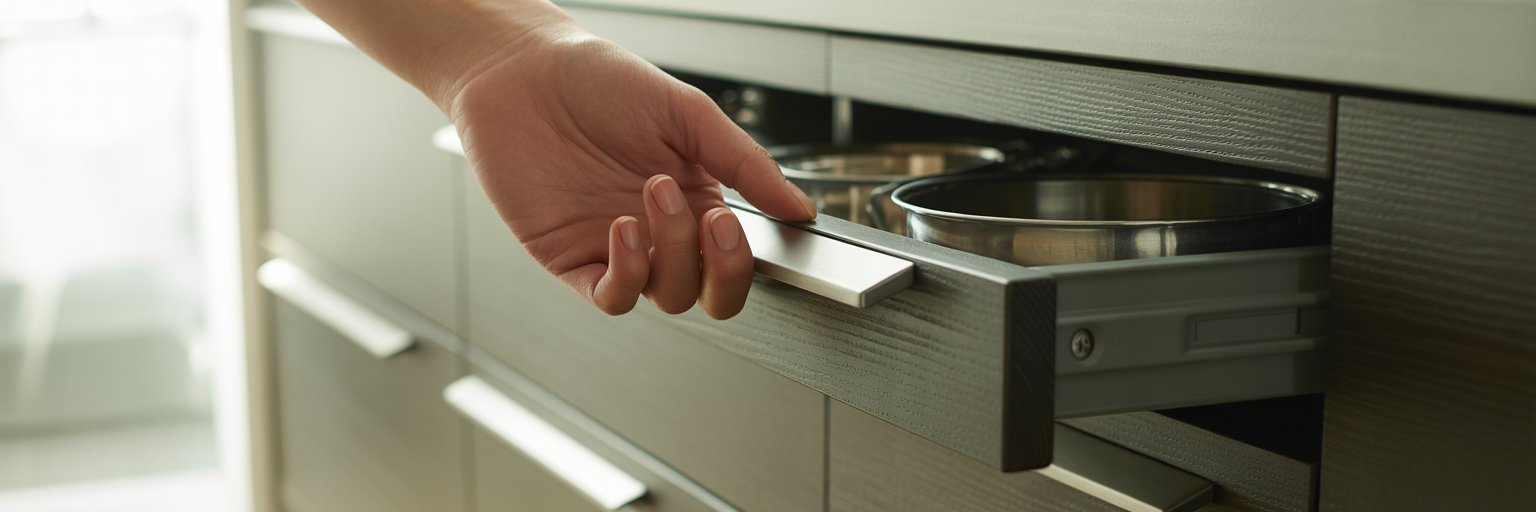
Here are answers to a few questions we often hear from shoppers considering this style.
Can I replace standard handles with recessed pulls?
Not directly. You must first fill the old screw holes and then create a new recess for the pull. It is a more involved process than a simple swap.
Are flush pulls comfortable for everyday use?
Comfort depends on the pull's depth and your personal preference. For heavy pantry doors or for family members with larger hands or limited grip strength, a deeper recessed pull is often better. This is why ordering a sample from our furniture hardware collection to test the feel is so helpful.
Are they difficult to clean?
The recess can collect dust or crumbs over time, but a quick wipe with a cloth is usually all that is needed to keep them clean.
What tools are needed for installation?
The key tool is a router with an appropriate bit and a template guide. You will also need a drill for the fastening screws, a tape measure, and a pencil for marking.
Can I use them on large wardrobe or pantry doors?
Yes, modern recessed cabinet pulls work well on larger doors. Just be sure to choose a size that is proportional to the door and offers enough grip to handle the weight comfortably. A larger flush mount drawer pull can also provide a more substantial feel.
Making Your Final Decision
Recessed pulls offer a beautifully clean and integrated look, but they ask for a more considered installation process in return. By weighing the sleek aesthetic against the practical requirements, you can decide if they are the right choice for your home.
Before you commit, follow these simple steps:
- Measure your cabinet thickness to confirm it can accommodate the pull's recess depth.
- Assess your comfort and skill with the installation, and decide if you will DIY or hire a professional.
- Order a sample to check the feel, finish, and grip in your own space.
With these checks complete, you will be ready to choose with confidence. Explore our collection of recessed cabinet pulls to find the perfect style for your project.


