

Centuries-old furniture makers originally placed metal escutcheons behind handles to shield wood from iron keys and fingernails. Today, that same practical detail helps modern homeowners hide worn drill holes and finish marks when selecting cabinet knobs and pulls with backplates for replacement projects.
Quick Answer on Fitting Cabinet Knobs and Pulls with Backplates
A backplate, also called an escutcheon, is a decorative metal or wood plate that sits flat between your cabinet surface and the knob or pull. It protects the wood from daily wear and hides old mounting marks when you are browsing our drawer pulls and knobs collection for a cabinet refresh. The golden rule of replacement fit is straightforward: a backplate will cover old drill holes, paint rings, or wood indentations only when its solid dimensions and placement allow the new hardware to sit properly centered while keeping old blemishes completely underneath solid material.
Key Hardware Sizing Terms to Know
Understanding three basic measurements will save you from ordering the wrong parts. Center to center hole spacing is the exact distance from the middle of one screw hole to the middle of the next screw hole. Overall length is the full tip-to-tip measurement of the backplate from one outer edge to the other, which determines how much surface area the plate actually hides. Finally, projection measures how far the mounted knob or pull sticks out from the drawer front into your room.
How Backplates Pair with Knobs, Fixed Pulls, and Drop Pulls
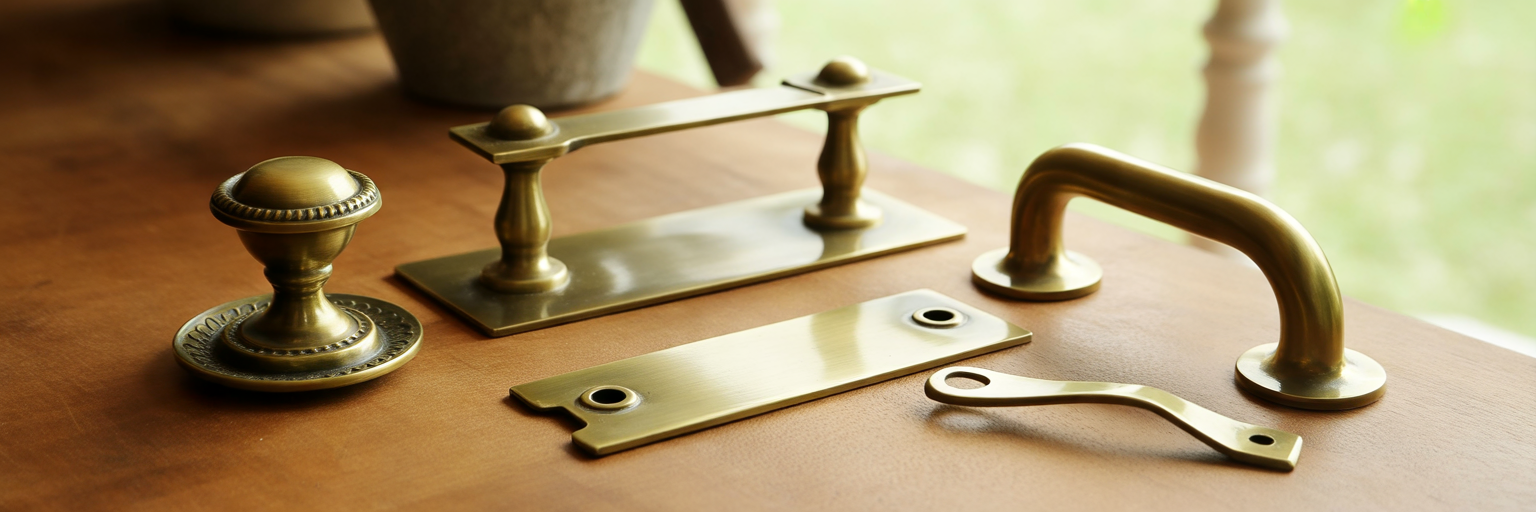
Once you know the core measurements, the next step is understanding how different hardware mechanisms physically connect to their plates. Backplates are not universal across all handle styles, so matching the plate structure to your specific knob or pull type keeps your hardware straight and secure.
Single-Post Knobs with Decorative Plates
Single-hole knobs pass one machine screw through the center of the plate and into the cabinet door. Small round, square, or petal-shaped plates are ideal for hiding circular paint shadows or crushed wood fibers around a single existing hole, such as the coordinated plate included in our vintage bronze floral knob and backplate set. If you are converting a two-hole drawer into a single-knob setup, a long horizontal or vertical strip plate can span across the drawer face, provided you verify that the unused hole sits completely underneath the solid body of the plate.
Two-Post Fixed Pulls with Matching Plates
Standard rigid handles use two mounting posts that rest directly on top of a long backplate or two separate small rosettes. When pairing a fixed pull with a single long backplate, the plate's center to center hole spacing must match the pull's hole spacing down to the millimeter. This exact alignment allows both mounting screws to pass cleanly through the drawer front, through the plate, and into the pull posts without binding or sitting at an angle.
Moving Drop and Bail Pulls on Backplates
Swinging bail pulls and drop handles feature a hinged pull that hangs from one central post or two side posts. With moving hardware, the backplate serves two purposes: it conceals old drill marks around the fastener points and shields the lower wood surface where the swinging handle drops and rests after every pull. If you are looking specifically at single-post ring pulls, like our antique bronze floral ring pull, check our dedicated ring-pull sizing guide for detailed advice on ring drop clearance.
| Hardware Type | Fastener Setup | How the Backplate Fits | Best Replacement Use Case |
|---|---|---|---|
| Single-Post Knob with Plate | 1 machine screw through knob and plate | Knob base sits flush inside the plate landing area; long plates can span across a second unused hole | Hiding worn paint rings around one hole or converting two-hole drawers to single knobs |
| Two-Post Fixed Pull with Plate | 2 machine screws spaced at a fixed distance | Plate holes and pull posts must share the exact same center-to-center spacing | Covering old pull footprints, crushed wood fibers, or slightly mismatched drill holes |
| Moving Drop or Bail Pull on Plate | 1 central post or 2 side posts depending on style | Plate anchors the posts and shields the lower wood surface where the swinging handle drops | Refreshing vintage dressers and buffets while preventing new surface dings |
Always choose a backplate style that matches both the mechanical fastener setup of your new hardware and the exact footprint of the old marks you need to hide.
What to Measure to Ensure Your Backplate Covers Old Holes
Choosing the right hardware mechanism is only half the project. Before you place an order, grab a ruler or digital caliper and measure the exact marks left behind on your bare cabinet doors and drawer fronts.
Step-by-Step Measuring Checklist
- Measure the total damage span from outer edge to outer edge: Do not measure only from the center of the old screw holes. Measure from the far outer edge of the first hole, scratch, or stain ring to the far outer edge of the opposite hole or mark. A standard drill hole adds about 3/16 inch (5 mm) of width beyond the center point.
- Add a safety buffer for drawer pull backplate sizing: Select a backplate whose overall length and width offer at least 1/4 inch to 1/2 inch of solid coverage beyond the outer edges of the old holes. This margin ensures dark hole edges never peek out if the hardware shifts slightly while you tighten the screws.
- Map out the new fastener positions on the drawer front: Use painter's tape to mark where your new knob or pull will sit centered on the drawer. Confirm that when the backplate is anchored at those exact new drill points, its wings still extend far enough to cover the old holes.
- Check plate width against vertical shadow lines: Previous vertical handles or wide pull bases often leave discolored rectangles or deep indentations. Measure the height and width of those faint shadows to make sure your new plate is wide enough to conceal them.
Why Solid Plates Beat Cutout Designs for Concealment
Many shoppers fall in love with intricate lattice, filigree, or pierced decorative hardware backplates without realizing how much cabinet surface shows through the open metalwork. If an old screw hole or raw wood ring lines up right underneath a cutout opening, the flaw remains visible from across the room. Much like the planning explained in Memory Lane Tattoo's guide on covering an existing design, hiding an unwanted mark requires placing dense, uninterrupted coverage directly over the old feature. When using cabinet backplates to cover holes, look for solid, unpierced brass plates in our solid brass cabinet pulls and knobs collection so old blemishes stay completely out of sight.
Common Fit and Installation Mistakes to Avoid Before Buying
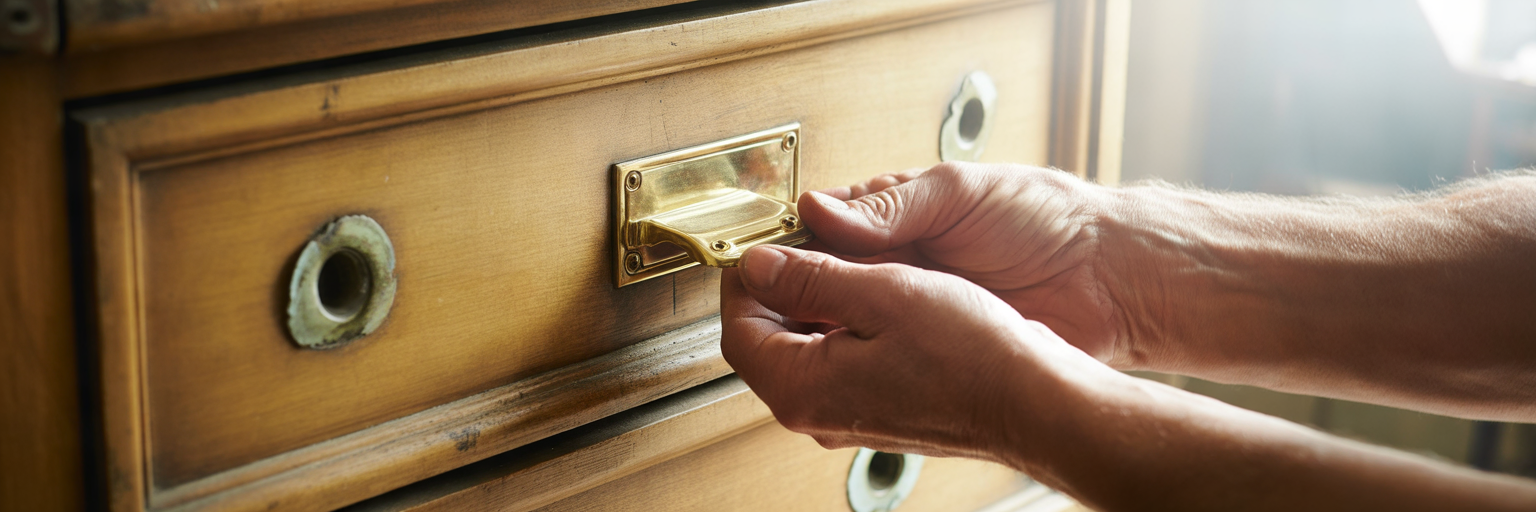
Even when a backplate is long and wide enough to hide old marks, physical installation details can catch DIY renovators off guard. Keep these five practical checks in mind when replacing cabinet hardware:
- Overlooking screw length and thread engagement: Adding a backplate between the wood and the handle increases the total thickness the mounting screw must pass through. Check that your screws are long enough to pass through the drawer front, clear the backplate thickness, and still thread at least 1/4 inch deep into the knob or pull post for a secure hold.
- Mounting long plates on uneven or beveled surfaces: Long backplates need a completely flat mounting zone. If a plate is too long and crosses over a raised shaker frame rail, a beveled drawer edge, or a curved dresser front, the rigid metal will bridge across the gap and rock back and forth when pulled.
- Mixing incompatible post profiles: If you pair a separate knob or pull with a standalone plate, the bottom foot of the handle must sit completely flat inside the center landing area of the plate. Watch out for raised decorative borders or stamped ridges on the plate that might prevent the handle base from sitting flush, a detail we also cover in our practical guide on bar pulls, T-bar pulls, and bridge pulls.
- Drilling new holes too close to old ones: When your new hole spacing sits within 1/4 inch of an existing hole, the thin bridge of wood between them can crack or cause your drill bit to slip into the old hole. Fill the old holes tightly with wood glue and a wooden dowel rod, let it cure, and sand it flat before drilling your new holes.
- Committing to a full room order without testing first: Subtle differences in brass tone, plate thickness, and edge profile are much easier to judge in person. Ordering one or two pieces through the JRM Accessories Sample Program lets you hold the plate directly over your old drawer holes and check surface contact before outfitting your entire kitchen or dresser.
Frequently Asked Questions and Next Steps for Your Project
Here are quick answers to the most common questions homeowners ask when pairing cabinet hardware with backplates.
Can I buy backplates and pulls separately?
Yes, you can combine separate pulls and backplates as long as the center to center hole spacing matches exactly and the flat landing area on the plate is wide enough to hold the pull base flush. Choosing coordinated sets designed to work together removes the guesswork and ensures the finishes match.
How do I keep a single-hole knob backplate from spinning?
First, make sure the cabinet surface is flat and tighten the machine screw snugly while holding the plate straight. If the plate still turns during daily use, add a small tooth lock washer inside the drawer front or apply a tiny dab of removable double-sided mounting tape under the outer wings of the plate.
Can I use a two-hole backplate with a single cabinet knob?
Only if the backplate has a centered hole for the knob post and the extra holes are either covered by the knob base or filled with matching decorative screw heads. Otherwise, choose a long single-hole backplate specifically made to cover two old pull holes beneath solid metal.
Do I need longer screws when adding a backplate?
Sometimes, especially if your backplate is thick cast brass. Measure the thickness of your cabinet door plus the thickness of the backplate, and make sure your mounting screws are about 1/4 inch longer than that combined measurement so the threads engage securely inside the handle.
Will brass or antique finishes match between separate knobs and plates?
Finishes labeled "brushed brass" or "antique bronze" can vary in warmth and sheen between different production styles. To guarantee a cohesive look, choose matched knob-and-plate listings or order samples from JRM Accessories to compare the metals side by side in your room's natural lighting.
Before You Buy Checklist and Publishing Details
- Measure the full outer span of old holes, scratches, and paint shadows, then add a 1/4-inch to 1/2-inch coverage buffer.
- Confirm exact center-to-center spacing between two-post pulls, backplate holes, and your drawer front.
- Verify a flat mounting surface so long backplates do not cross over raised cabinet frames or beveled edges.
- Choose solid over pierced plates whenever old drill holes sit anywhere other than the exact new screw positions.
When you have your measurements ready, browse our furniture hardware collection to find coordinated knobs, pulls, and decorative plates for your cabinets or dressers, or order a sample to test the fit right at home.


