

Your Guide to Choosing Wood Cabinet Pulls
Choosing the right hardware is the final touch that completes a piece of furniture. If you're drawn to natural textures and warmth, wood cabinet pulls and knobs are a wonderful choice. This guide is designed to walk you through the practical steps of selecting the perfect wood hardware for your project.
Quick Takeaways:
- Function First: Choose knobs for small doors and pulls for heavy or wide drawers.
- Measure Twice: For replacements, the "center-to-center" measurement is the most important dimension to get right.
- Consider Grip: Ensure the hardware's projection (how far it sticks out) is deep enough for a comfortable hold.
- Style Matters: Decide between all-wood designs for a seamless look or wood-accented hardware for a touch of contrast.
- Order a Sample: Always test a sample in your space to see how the tone and finish look with your furniture and lighting.
We will cover how to compare knobs and pulls, understand different material combinations, get your measurements right, and avoid common mistakes so you can make a choice you’ll be happy with for years to come.
Knobs, Pulls, or Finger Pulls: Which is Right for Your Project?
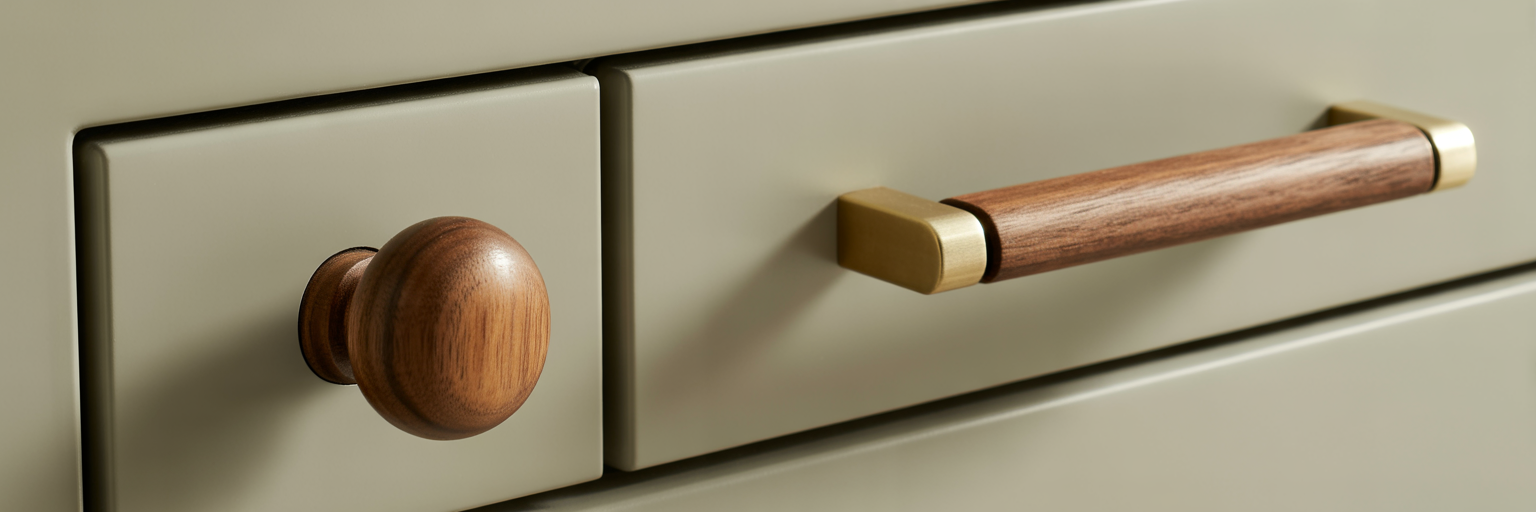
The first decision is choosing the type of hardware that best suits your furniture's function. Wood cabinet knobs are a classic choice, perfect for small cabinet doors and lightweight drawers. They install with a single screw, making them simple to fit. Classic round wooden knobs, for instance, offer a timeless look that works well on traditional dressers or kitchen cabinets. For heavier drawers or high-traffic doors, wood cabinet handles or pulls are a more practical option. Their two-screw attachment provides a sturdier grip. As a general guideline, aim for a pull that is about one-third the width of your drawer front for a balanced look.
Finally, wood finger pulls offer a minimalist alternative. They mount discreetly on the top or side edge of a door, creating a clean, hardware-free appearance that is popular in modern design. Whether you choose knobs or pulls, you can find a wide range of styles in our full collection of drawer pulls and knobs.
| Hardware Type | Best For | Installation | Primary Benefit |
|---|---|---|---|
| Wood Knobs | Cabinet doors, small or lightweight drawers | Single screw, easy to install | Simple, classic look and quick to fit. |
| Wood Pulls | Medium to large drawers, heavy cabinet doors | Two screws (center-to-center measurement is key) | Provides a sturdy, comfortable grip for frequent use. |
| Finger Pulls | Minimalist kitchens, modern media consoles | Mounts on the top or side edge of the door/drawer | Creates a clean, seamless look with no visible hardware. |
This table summarizes the best use cases for each hardware type to help you decide based on your furniture's function and your desired aesthetic.
All-Wood vs. Wood-Accented Designs
Wood hardware comes in two main styles: all-wood and wood-accented. All-wood hardware, where the entire piece is made of wood, offers a seamless, organic feel. The continuous grain and warm texture create a soft, integrated look that is especially beautiful on other wood furniture, whether you are matching tones or creating a subtle contrast. This style brings a tactile quality that feels comforting and natural to the touch.
Wood-accented hardware combines wood with other materials, most commonly metal. Designs like wood and brass cabinet pulls pair the warmth of wood with the classic elegance of metal. This combination adds visual definition and allows you to coordinate your cabinet hardware with other fixtures in the room, such as faucets, lighting, or appliances. Designs that combine a metal base with a wooden grip, like these minimalist solid brass and wood cabinet pulls, offer a beautiful balance of materials. Choose all-wood for a cohesive, natural aesthetic, and wood-accented when you want to add a touch of modern contrast or tie into other metallic elements.
Getting the Measurements Right Before You Buy
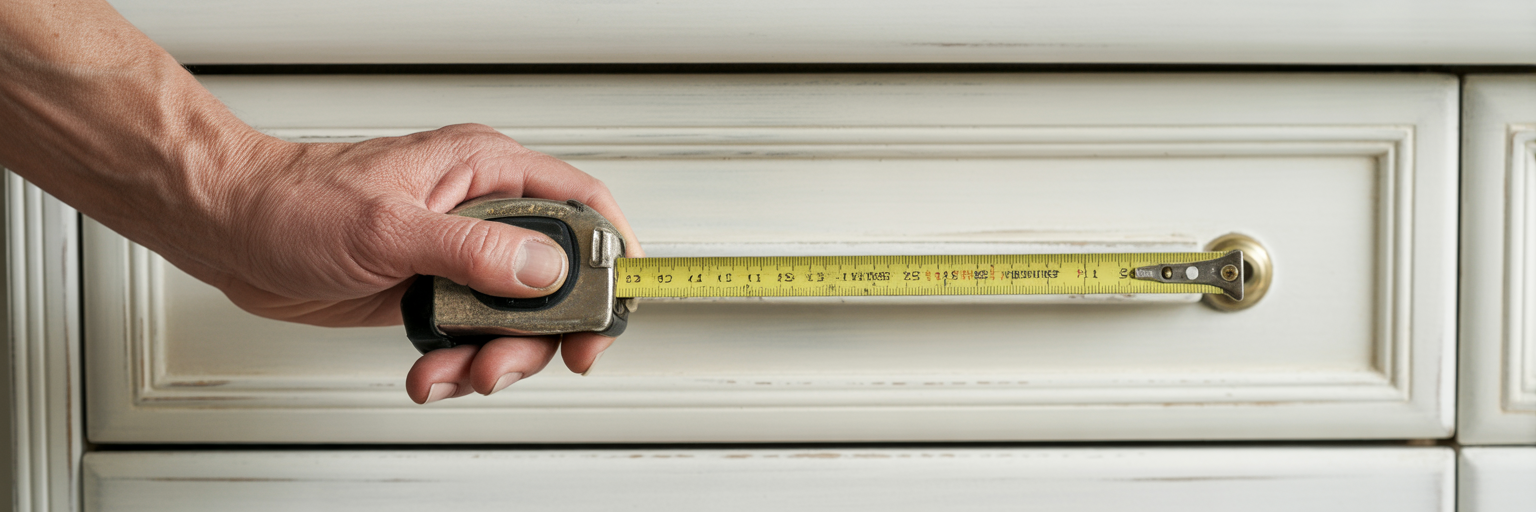
Nothing is more frustrating than ordering hardware that doesn't fit. Taking a few simple measurements beforehand will ensure a smooth installation and a professional finish.
- Center-to-Center Spacing: This is the distance between the centers of the two screw holes on a pull. If you are replacing existing handles, this is the most critical measurement. Matching it means you can use the existing holes without needing to drill, patch, and repaint.
- Projection: This is how far the knob or pull sticks out from the cabinet surface. A sufficient projection is essential for a comfortable grip, preventing you from scraping your knuckles on the drawer front. A projection of at least one inch is a good starting point for most hands. As noted by woodworking professionals, the fit of a handle is just as important as its look. Fine Woodworking highlights that a well-designed pull should feel comfortable and natural in the hand.
- Overall Size and Scale: Consider the hardware's overall length and width in relation to your furniture. A tiny knob can look lost on a large wardrobe door, while an oversized pull can overwhelm a small drawer. Use painter's tape to mock up the size on your furniture to help visualize the scale.
- Cabinet and Drawer Thickness: Hardware typically comes with standard-length screws. Measure the thickness of your doors and drawers to ensure these screws will fit. If your furniture is thicker or thinner than average, you may need to purchase screws of a different length separately.
Coordinating Wood Tones and Finishes
One of the joys of using wood hardware is playing with tone. You can either contrast the hardware with your furniture or choose a complementary shade. Pairing dark wooden cabinet pulls with a light-painted cabinet or a pale wood like maple creates a striking focal point, drawing attention to the hardware's shape and texture. This approach works well when you want the hardware to be a distinct design element.
Alternatively, matching the wood tone of your hardware to your furniture creates a subtle, cohesive look. A walnut pull on a walnut dresser, for example, results in a seamless, minimalist aesthetic where the hardware blends in beautifully. This is an excellent choice for a calm, understated design.
It is also important to remember that wood is a natural material. Slight variations in color and grain are normal and part of what makes each piece unique. This natural character ensures that no two pulls are exactly alike, adding to the charm and authenticity of your furniture piece.
Common Mistakes to Avoid When Choosing Wood Hardware
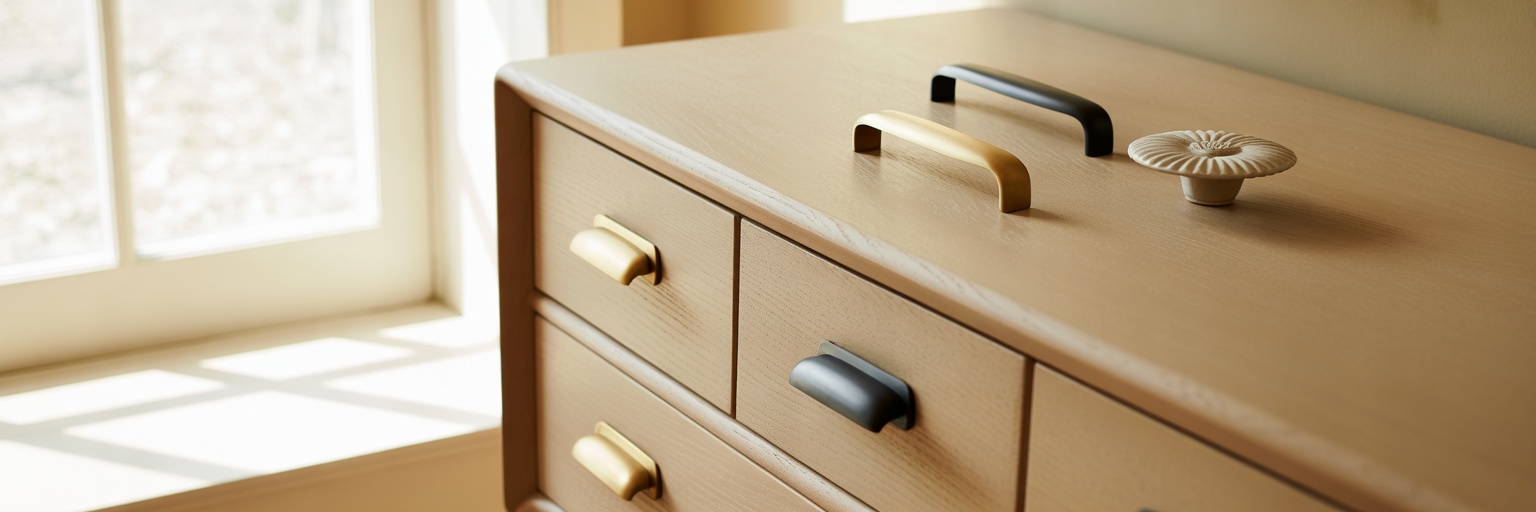
A little foresight can help you avoid common pitfalls and ensure you're delighted with your final choice. Here are a few mistakes to watch out for:
- Ignoring Drawer Weight: A small, single-screw wood cabinet knob may look lovely, but it is not the right choice for a large, heavy kitchen drawer filled with pots and pans. The single screw point can loosen over time under the strain. Always opt for a sturdy two-screw pull for heavy-duty applications.
- Guessing the Center-to-Center Measurement: For replacement projects, never estimate this dimension. Receiving beautiful new wood drawer pulls only to find they don't align with your existing holes is a common and avoidable frustration. Always measure carefully from the center of one hole to the center of the other.
- Forgetting About Projection: Hardware that is too shallow is uncomfortable to use. Even worse, a pull with too much projection in a tight corner could prevent an adjacent cabinet door or appliance from opening fully. Check clearances before you commit.
- Not Ordering a Sample: The way a wood tone looks on a screen can be very different from how it appears in your home. Lighting, wall color, and the furniture itself all influence the final look. Ordering a single piece as a sample is the best way to confirm you love the color, feel, and scale before placing a full order.
Your Pre-Purchase Checklist for Wood Hardware
Before you finalize your order, run through this quick checklist to ensure you've covered all the bases:
- Function: Is this for a lightweight door or a heavy drawer? (Knob vs. Pull)
- Measurements: Have I confirmed the center-to-center spacing for replacements and checked my cabinet thickness?
- Grip: Is the projection deep enough for a comfortable hold and does it clear adjacent doors?
- Style: Do I prefer an all-wood design or a wood-accented one with metal?
- Aesthetics: Will the wood tone contrast with or complement my furniture?
- Final Check: Should I order a sample to be certain about the color and finish?
Frequently Asked Questions
How do I clean wood cabinet hardware?
To clean wood hardware, use a soft, dry cloth to wipe away dust. For more thorough cleaning, you can use a cloth that is very slightly dampened with water, then immediately wipe it dry. Avoid using harsh chemical cleaners, abrasive sponges, or excessive moisture, as these can damage the wood's finish.
Can I use wooden cabinet knobs in a kitchen?
Wood hardware can add wonderful warmth to a kitchen. However, it is best to be mindful of placement. While they are suitable for most cabinets and drawers, it may be wise to avoid installing them in areas exposed to constant high moisture or heat, such as directly above a dishwasher vent or next to an oven, unless they have a specific protective finish.
How do I install a wood knob on a new cabinet door?
For a new installation, first decide on the placement. Mark the spot for the screw hole with a pencil. Use a drill bit that matches the diameter of your screw to drill a clean hole through the door from the front. From the back, insert the screw through the hole and tighten it into the knob until it is snug. Using a hardware template can help ensure consistent placement across multiple doors.
Does the hardware come with screws?
Our hardware typically includes standard-length screws suitable for most common cabinet thicknesses. However, we always recommend measuring your cabinet or drawer front before ordering. If your furniture is unusually thick or thin, you may need to purchase longer or shorter screws from a local hardware store to ensure a secure fit.
Find the Right Wood Hardware for Your Project
Choosing the right wood hardware comes down to balancing function, fit, and style. By considering whether you need a knob or a pull, taking careful measurements, and deciding on a wood tone that complements your furniture, you can confidently select pieces that feel just right. This thoughtful approach ensures the final detail on your project is one you will appreciate every time you use it.
Now that you know what to look for, feel free to browse our curated collection of wood cabinet pulls and knobs to find the perfect fit for your next project.


