

Brass hardware adds a classic warmth to furniture and cabinets, but its shine depends on the right care. The cleaning method that works for one type of brass can damage another. This guide provides clear, practical steps to identify your brass finish and maintain it properly, ensuring it looks its best for years to come.
Key Takeaways for Lasting Brass Shine
Before you start cleaning, here are the most important points to remember. Getting this right from the start is the key to preserving your hardware's finish.
- Identify Your Finish First: This is the most critical step. Cleaning lacquered brass with a polish meant for unlacquered brass will strip the protective coating and cause irreversible damage.
- Use Gentle Methods for Coated Brass: For lacquered or PVD-coated hardware, a simple wipe with a soft cloth, mild soap, and water is all you need. Harsh chemicals and abrasive pads are the enemy.
- Polish Unlacquered Brass Selectively: You can restore the shine of unlacquered brass with a quality polish, but remember that the natural patina is also a desirable look. This is a core part of brass cabinet pull maintenance for living finishes.
- Always Dry Thoroughly: No matter the finish, water spots can lead to tarnish and corrosion. Always dry your hardware completely with a clean, soft cloth after cleaning to prevent brass tarnish.
First, Identify Your Brass Hardware Finish
The single most important step in brass care is knowing what you’re working with. Brass hardware typically comes in three main finishes: lacquered, unlacquered, or PVD-coated. Each requires a different approach.
Lacquered brass has a clear protective coating applied at the factory. It feels smooth and glossy and is designed to resist tarnishing. It will maintain a consistent, bright shine for a long time if the lacquer remains intact.
Unlacquered brass is raw brass with no protective layer. It is a “living finish,” meaning it will naturally darken and develop a unique patina over time from exposure to air and touch. This aged look is often sought after for its vintage character. If you prefer a bright shine, it requires regular polishing.
PVD-coated brass (Physical Vapor Deposition) has a durable, high-tech coating that is more resistant to scratches, corrosion, and tarnishing than standard lacquer. It often has a satin or brushed appearance and is extremely low maintenance.
If you're unsure which finish you have, the best approach is to check the original product description. Looking at examples of different drawer pulls and knobs can also help you recognize the visual differences.
Comparing Brass Hardware Finishes
| Finish Type | Appearance | Feel | Maintenance Level | Best For |
|---|---|---|---|---|
| Lacquered Brass | Glossy, consistent shine | Very smooth, sealed | Low | Busy areas like kitchens; users who want zero tarnish. |
| Unlacquered Brass | Warm, muted, ages over time | Raw metal, may feel slightly textured with patina | High (if you want shine), Low (if you embrace patina) | Furniture pieces; users who love a vintage, evolving look. |
| PVD-Coated Brass | Often a brushed or satin look, very uniform | Smooth, durable | Very Low | High-traffic doors, bathrooms; maximum durability needed. |
This table summarizes the key differences in appearance and upkeep. Use it to identify your current hardware or to choose the best new finish for your home's needs and your personal style.
How to Clean Lacquered and PVD-Coated Brass

Maintaining coated brass is straightforward because the goal is simply to clean the protective layer, not the metal itself. The key is to be gentle. Aggressive cleaning will damage the coating you are trying to preserve.
Follow these simple steps for cleaning lacquered brass and PVD finishes:
- Mix a few drops of mild dish soap in a bowl of warm water.
- Dip a soft, clean microfiber cloth into the soapy water and wring it out until it is just damp.
- Gently wipe down the hardware to remove dust, fingerprints, and grime.
- Immediately dry the hardware completely with a separate dry, soft cloth to prevent water spots.
Never use brass polishes, abrasive cleaners, or scouring pads on lacquered or PVD-coated hardware. These products are designed to remove tarnish from raw metal by stripping away the top layer. On coated hardware, they will scratch, cloud, or even peel off the protective finish, leaving it looking worse than before. Once the coating is compromised, the brass underneath will tarnish unevenly and can be impossible to restore. Modern, durable options like our brushed gold cabinet pulls are designed for this simple, gentle care routine.
How to Polish and Protect Unlacquered Brass
Proper unlacquered brass care gives you control over its appearance. You can either let it age gracefully into a deep, rich patina or polish it to maintain a bright, warm shine. Polishing is an aesthetic choice, not a structural necessity.
If you decide to restore its luster, follow these brass polishing tips:
- Start by cleaning the hardware with mild soap and water to remove any surface dirt. Dry it completely.
- Apply a small amount of a quality, non-abrasive brass polishing cream to a soft cloth.
- Rub the polish onto the brass in gentle, circular motions or by following the grain of the metal if it has a brushed texture.
- The cloth will likely turn black as it lifts the tarnish. This is normal.
- Using a new, clean cloth, buff the hardware to remove the polish residue and reveal the shine.
- To protect the shine and slow future tarnishing, apply a very thin layer of carnauba wax. As the Canadian Conservation Institute notes, a microcrystalline wax can protect metal surfaces. Let the wax dry to a haze, then buff it off with a clean cloth.
For hardware with intricate details, like our knurled flush pulls, a soft-bristled toothbrush or a cotton swab can help apply polish and remove residue from crevices.
Common Mistakes That Can Ruin Brass Hardware
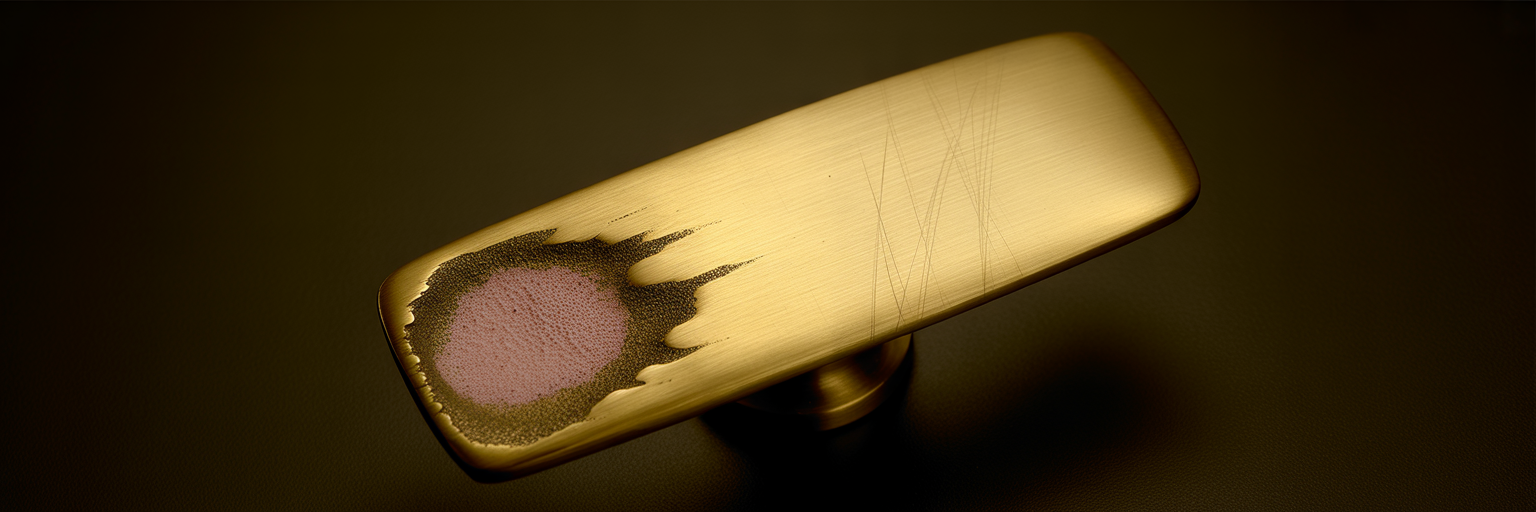
Knowing how to clean brass hardware also means knowing what not to do. A simple mistake can cause permanent damage. Here are the most common errors to avoid:
- Using the Wrong Cleaner: Never use acidic cleaners like vinegar or lemon juice, or harsh chemicals like ammonia or bleach, on brass. They can cause dezincification, a process that leaches zinc from the brass alloy, leaving behind a porous, pink-hued copper surface that is permanently damaged.
- Polishing Lacquered Brass: This is the most frequent mistake. Applying brass polish to a lacquered piece will strip the protective coat, creating an uneven, cloudy mess that will then tarnish in patches. If you aren't sure, test a hidden spot first.
- Scrubbing with Abrasive Tools: Steel wool, scouring pads, and even overly stiff brushes will leave a network of fine scratches on any brass finish, dulling its appearance permanently. Always use soft microfiber cloths.
- Not Drying Hardware Properly: Leaving water to air-dry on brass, especially in kitchens and bathrooms, leads to mineral deposits and water spots that accelerate tarnishing. A quick wipe-down is a crucial final step.
These principles of careful cleaning are important for maintaining the integrity of many surfaces. As this guide to safe practices shows, avoiding harsh chemicals and using the right tools are universal rules for preservation.
Choosing the Right Brass Finish for Your Home
Now that you understand the maintenance involved, you can choose the right brass finish for your project. The decision comes down to aesthetics versus effort.
Choose lacquered or PVD-coated brass if: You want a consistent, polished look with minimal effort. These are "set it and forget it" options ideal for high-traffic areas like kitchens and bathrooms where you want durability and easy cleaning.
Choose unlacquered brass if: You love a vintage, evolving aesthetic and appreciate the character of a natural patina. It’s perfect for statement furniture pieces or for homes where an authentic, aged look is part of the design.
The best way to decide is to see the finishes in your own space. We strongly recommend ordering samples to compare how they look in your home’s unique lighting. You can start by exploring our collection of furniture hardware to see the options available.
Frequently Asked Questions About Brass Care
How often should I clean my brass hardware?
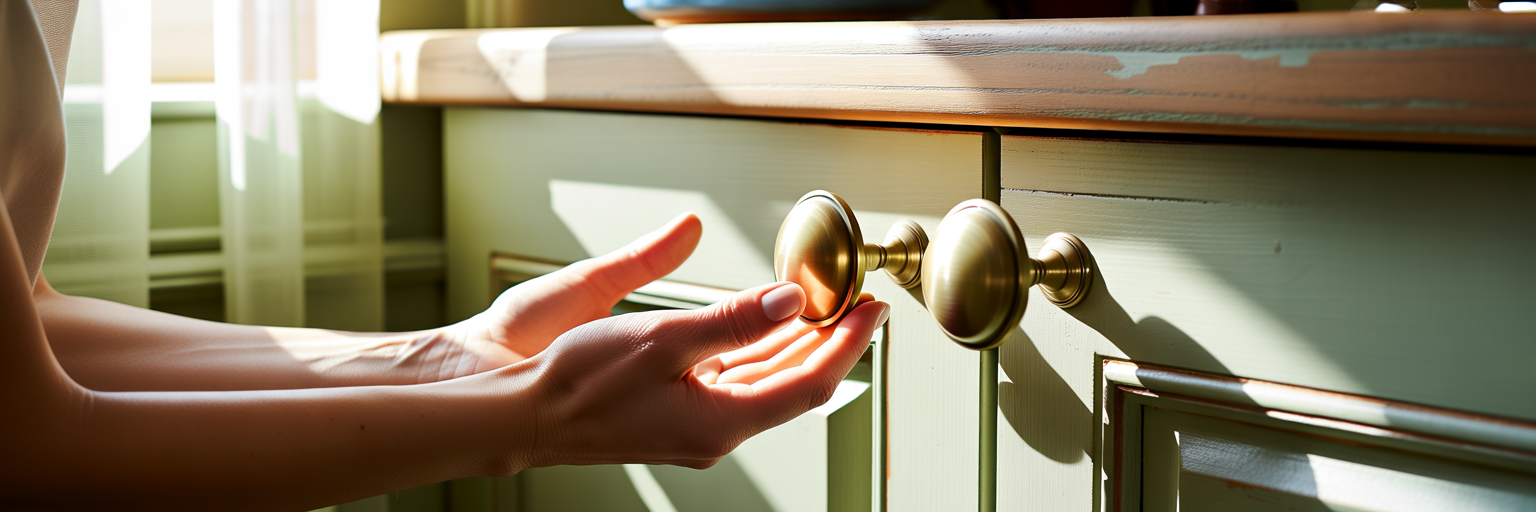
For lacquered and PVD hardware, wipe it down weekly or as needed to remove fingerprints and grime. For unlacquered brass, it depends on your preference. Clean it when it looks dirty, and polish it only when you want to restore its shine, which could be every few months or once a year.
Is it normal for unlacquered brass to show fingerprints?
Yes, completely normal. The oils from your hands interact with the raw metal, contributing to the development of its unique patina. Pieces like our solid brass lotus pulls will show this beautiful aging process over time.
Can I make my lacquered brass look unlacquered?
While it is technically possible to strip lacquer using chemical solvents, it is a difficult, messy, and potentially hazardous DIY project that we do not recommend. It is much easier to purchase unlacquered brass hardware from the start.
What's the best way to care for brass hardware in a kitchen?
Kitchen hardware is exposed to grease, steam, and frequent handling. Choose a durable finish like PVD or lacquered brass. Clean it often with a damp cloth and mild soap, and always dry it thoroughly to prevent spots and corrosion.


