

Your Guide to Choosing Cabinet Cup Pulls
A cabinet cup pull is a classic piece of hardware, easily recognized by its half-moon shape that creates a comfortable scoop for your fingers. Also known as a bin pull, a name that comes from its use on shopkeeper’s bins and library card catalogs, this style brings a timeless and functional touch to furniture. Choosing the right cabinet cup pulls can feel overwhelming, but it comes down to a few key details. This guide offers practical steps for selecting the perfect size, style, and finish for your project, whether you are updating a kitchen or refreshing a beloved dresser.
Key Takeaways:
- Measure First: Always measure the 'center-to-center' distance on existing holes before buying replacements.
- Check Projection: Ensure the pull's 'projection' (how far it sticks out) leaves enough room for your hand but won't snag clothing in tight spaces.
- Balance Wide Drawers: For drawers wider than 30 inches, use two cup pulls for better function and visual balance.
- Order Samples: Finishes can look different in person. Always order samples to see how they look with your cabinet color and home lighting.
Cup Pulls vs. Knobs and Bar Pulls: What’s the Difference?
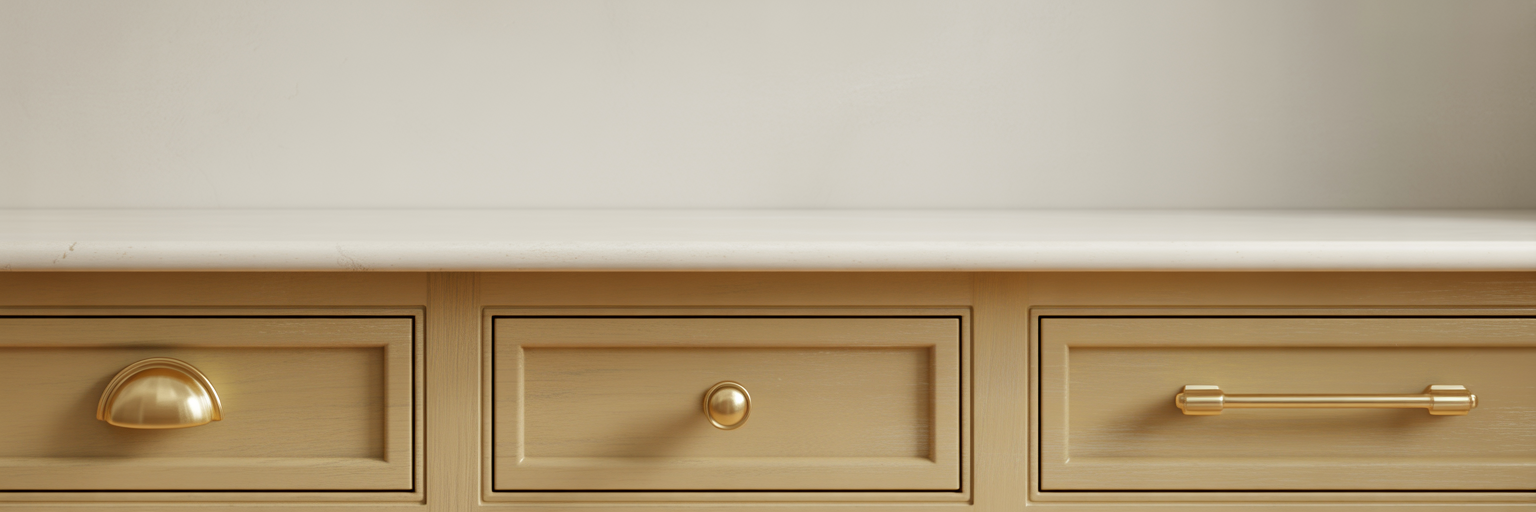
Understanding the differences between hardware types helps you choose the best option for your needs. The main distinction lies in how you grip them. A cup pull uses an under-finger scoop, making it ideal for a pulling motion. A knob requires a pinch grip with your fingertips, while a bar pull allows for a full-hand grab from multiple angles. Because of their grip style, cabinet cup pulls are best suited for drawers. They provide a solid, comfortable hold that makes opening drawers feel effortless.
A popular and cohesive design approach is to pair different hardware types. For example, using cup pulls on your drawers and matching knobs on your cabinet doors creates a balanced and classic look. This combination respects the function of each piece, using pulls for pulling and knobs for swinging doors. Many homeowners find the perfect combination by exploring a full range of drawer pulls and knobs. The traditional aesthetic of cabinet bin pulls works especially well in farmhouse, transitional, and Shaker-style kitchens.
| Hardware Type | Grip Style | Best For | Common Aesthetic |
|---|---|---|---|
| Cup Pull | Under-finger scoop | Drawers | Farmhouse, Traditional, Shaker, Transitional |
| Knob | Pinch grip | Cabinet doors, small drawers | Versatile (Vintage, Modern, Classic) |
| Bar Pull | Full-hand grab | Cabinet doors and drawers of all sizes | Modern, Contemporary, Industrial |
This table offers a quick comparison to help you decide which hardware type best fits your functional needs and design style.
How to Measure for the Perfect Fit
Accurate measurements are the key to a smooth installation and a professional-looking result. Taking a few moments to measure correctly will save you from the frustration of ordering the wrong size or having to drill new holes.
The Critical 'Center-to-Center' Measurement
If you are replacing existing hardware, the most important measurement is 'center-to-center.' This is the distance from the center of one screw hole to the center of the other. To find it, simply measure between the holes on your drawer front. Matching this measurement ensures your new pulls will fit perfectly without any extra drilling. This is the first step in how to measure cup pulls for a replacement project.
Understanding Overall Width and Projection
The 'overall width' of the cup pull affects its visual scale on the drawer. A wider pull makes a stronger statement, while a smaller one is more subtle. 'Projection' is how far the pull sticks out from the drawer face. Consider this in high-traffic areas like narrow hallways or tight kitchen corners where a pull with too much projection could snag clothing. You need enough projection for a comfortable grip but not so much that it gets in the way.
Checking Grip Clearance and Drawer Thickness
Think about who will be using the drawers. The space between the inside of the cup and the drawer front, or 'grip clearance,' should be comfortable for everyone in the household. Finally, measure the thickness of your drawer fronts. Most hardware comes with standard screws designed for 3/4-inch thick material. If your drawers are thicker or thinner, you may need to purchase screws of a different length separately.
Choosing the Right Shape, Material, and Finish
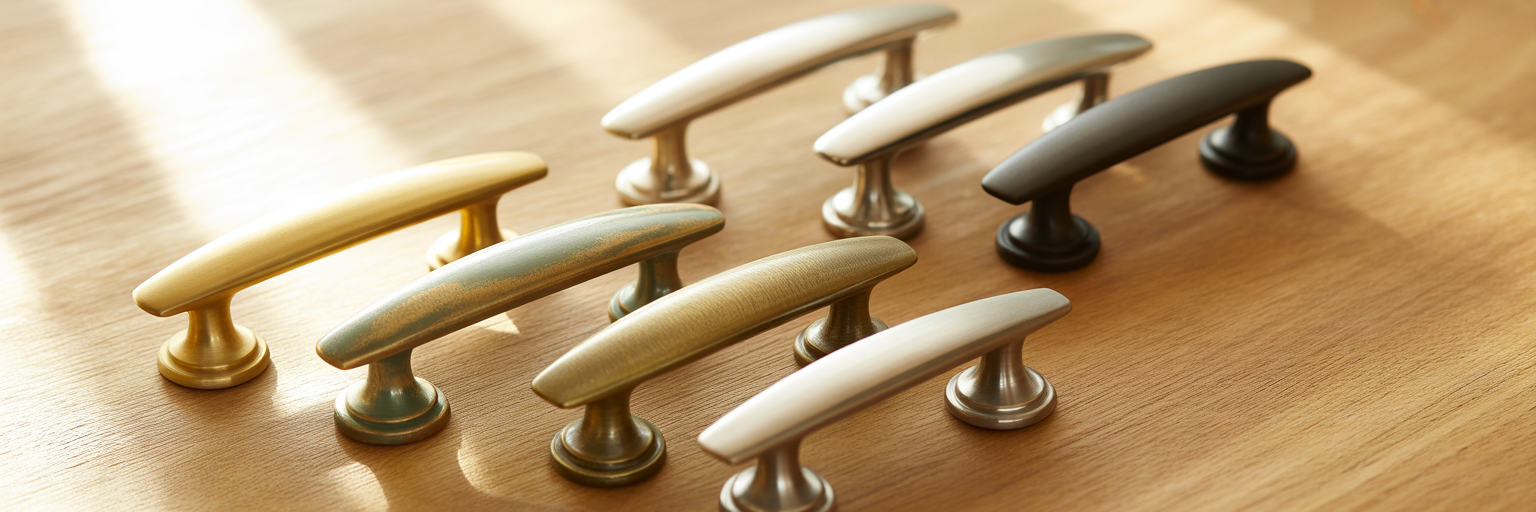
Once you have your measurements, you can focus on the fun part: the aesthetics. The shape of a cup pull influences its style. A classic, rounded cup pull lends a soft, traditional feel, while a squared-off or hooded pull can look more transitional or even industrial. It is also important to understand the difference between the base material and the finish. The material, such as solid brass or zinc alloy, determines the hardware's weight, durability, and feel. A solid material like brass offers a satisfying heft that speaks to its quality.
The finish is the color and texture applied to the surface. For example, antique brass cup pulls provide a warm, aged look that adds character. Some brass cup pulls are sold as 'unlacquered,' meaning they have no protective coating and will naturally develop a unique patina over time. For instance, these solid brass cabinet cup pulls in an aged antique bronze finish show how a darker patina can create a vintage feel. Because finishes can appear different on a screen, we always recommend ordering samples. It is the only way to see how a finish truly looks with your cabinet colors and in your home’s lighting. Hardware placement is key to a professional-looking finish, and seeing the hardware in person is a crucial part of that process.
Best Practices for Placement and Alignment
Proper placement ensures your new hardware looks intentional and polished. For a standard drawer front, the cup pull should be centered horizontally. If you have Shaker-style drawers with a frame, center the pull on the top rail. This placement is both visually pleasing and ergonomic.
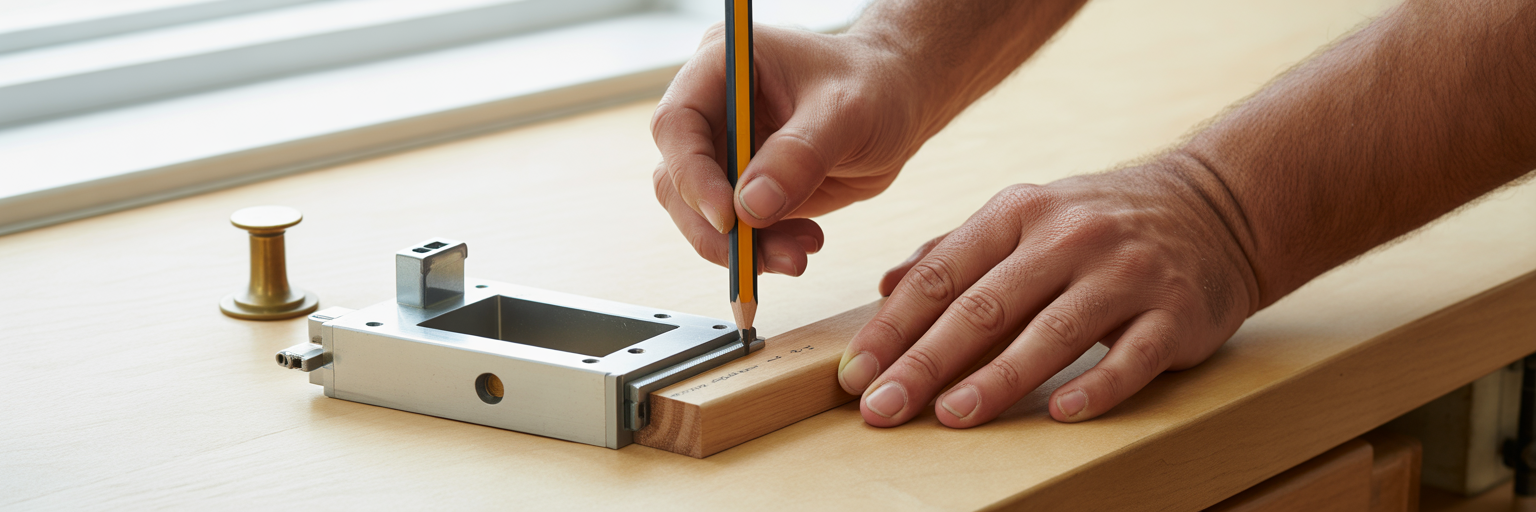
A common question is whether to use one or two pulls. A good rule of thumb is to use a single pull for drawers less than 30 inches wide. For wider drawers, using two drawer cup handles provides better balance and makes the drawer easier to open without twisting. The most important tip for installation is to use a cabinet hardware jig or create a template from cardboard. Because of their distinct shape, even a slight misalignment with cup pulls is very noticeable. A template guarantees that every pull is perfectly level and spaced correctly.
Finally, some cup pulls come with a backplate. This can be a beautiful stylistic detail, but it also serves a practical purpose. If you are replacing hardware with a different center-to-center measurement, a backplate can sometimes cover the old, unwanted screw holes.
Common Mistakes to Avoid When Ordering
A little planning can help you avoid common frustrations when buying new hardware. Here is a quick checklist of mistakes to steer clear of when ordering cup pulls for drawers:
- Guessing the Center-to-Center Size: This is the most common mistake. For replacements, always measure the distance between the existing screw holes.
- Forgetting to Check Drawer Thickness: Standard screws are for 3/4-inch thick fronts. If yours are different, you may need to buy screws separately.
- Not Ordering Enough: It's wise to order one or two extra pulls. This provides a spare in case of installation errors or future damage.
- Skipping Samples: A finish can look very different on a screen versus in your home. Samples are a small investment to ensure you love the final look.
Frequently Asked Questions About Cabinet Cup Pulls
- Are cup pulls only for kitchens?
- Not at all. They are a popular choice for bathroom vanities, dressers, office built-ins, and other furniture. They work beautifully on any drawer where you want a classic, comfortable pull.
- Can I use cup pulls on cabinet doors?
- While you can, it can feel awkward to use a pulling motion on a swinging door. Most people prefer a knob for doors. A common and effective design pairs cup pulls on drawers with matching knobs on doors.
- Are cup pulls hard to clean?
- The inside of the cup can gather a bit of dust, but it's easily cleaned with a quick wipe from a soft cloth. Their smooth, curved surfaces are generally very simple to maintain.
- What's the difference between a 'cup pull' and a 'bin pull'?
- The terms are used interchangeably. 'Bin pull' is an older name that originates from the hardware used on drawers in old general stores and library card catalogs, but they refer to the same style.
- How do I choose a size for my drawer?
- A good rule of thumb for visual balance is to choose a pull that is roughly 1/3 the width of the drawer front. For very wide drawers (over 30 inches), it's often better to use two smaller pulls.
Ready to Find Your Perfect Pulls?
With a clear understanding of how to measure, what styles to look for, and where to place them, you can choose your new hardware with confidence. Remember to measure carefully, consider how the shape and finish will complement your space, and always plan your placement before drilling. These simple steps will help you achieve a beautiful and functional result that you will enjoy for years to come. Now that you know what to look for, take a moment to explore a curated collection of furniture hardware to see these styles and finishes for yourself.


